The Tube Isn't Dead: What Repair Techs Actually Know About CRT Longevity That the Internet Gets Wrong
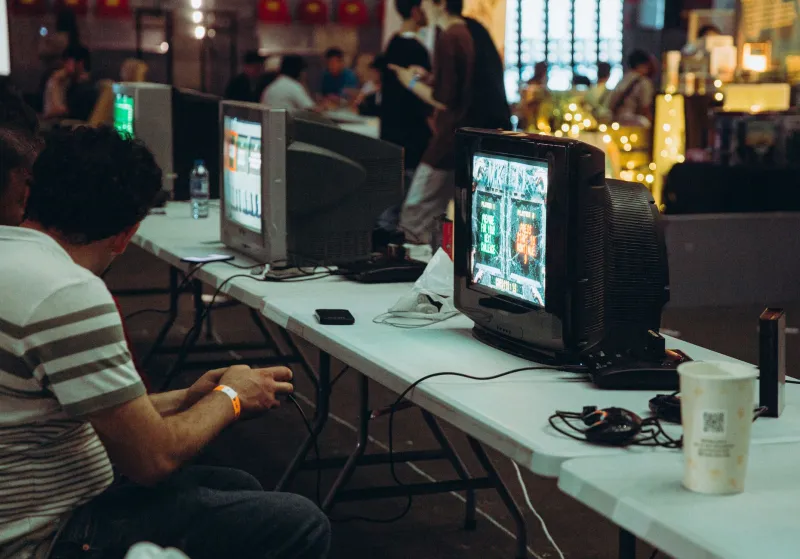
Ask almost anyone online what they know about CRT monitors and you'll hear a familiar set of warnings delivered with total confidence. Screen burn is inevitable. The phosphors fade quickly. Those old tubes are delicate relics that are one bad power cycle away from dying permanently. Keep them out of storage, keep them running constantly, and definitely don't expect them to last.
Then go talk to someone who actually repairs CRTs for a living.
The gap between what the internet says about these displays and what experienced technicians observe in the real world is wide enough to drive a truck through. And for retro gamers who depend on CRTs for the authentic experience — or collectors trying to decide whether that thrift store Trinitron is worth hauling home — understanding the real science matters a lot more than recycling forum mythology.
The Screen Burn Panic Is Mostly Overblown
Screen burn — technically phosphor burn-in, where a static image permanently etches itself into the display — is the boogeyman of CRT ownership. Mention a CRT in any retro gaming forum and someone will immediately warn you about it.
Here's the reality: achieving genuine, permanent phosphor burn on a CRT requires sustained display of a static high-brightness image for an extraordinary amount of time under conditions that almost no gaming setup replicates. We're talking about the kind of burn you'd see on an airport departure board or a stock ticker display that ran the same graphic 24 hours a day, seven days a week, for years.
The average retro gaming CRT — used for actual gaming sessions, powered off when not in use, displaying constantly changing content — is not meaningfully at risk of screen burn in any practical sense. What most people are actually seeing when they think they've spotted burn-in is temporary image persistence, sometimes called ghosting, which is a completely different phenomenon. Temporary persistence fades anywhere from minutes to a few hours after the display is turned off or the content changes. It's not damage. It's just how phosphors work when they've been excited recently.
Actual permanent burn on a gaming CRT is genuinely rare. Techs who restore these sets see it occasionally — usually on monitors that spent time in commercial environments like arcades or waiting rooms — but it's far from the universal fate that forum posts suggest.
What Actually Kills a CRT
If screen burn is mostly a myth for home gaming use, what actually damages these displays? The answers are less dramatic but a lot more actionable.
Capacitor failure is probably the single biggest killer of aging CRTs. The electrolytic capacitors in the power supply and deflection circuits degrade over time regardless of whether the set is used or stored, and failed caps can cause everything from geometry distortion and brightness problems to complete failure and, in worst cases, damaged components that are genuinely hard to source. The good news: capacitor replacement is a well-documented repair that a competent technician can handle, and recapping a CRT is essentially standard maintenance for sets from the late '80s through the '90s.
Storage conditions do real damage in ways that have nothing to do with phosphors. Humidity is the enemy. A CRT stored in a damp basement or garage can develop corrosion on internal components, damaged flyback transformers, and degraded circuitry that's genuinely difficult to reverse. Temperature extremes matter too — not because of the tube itself, but because of the electronics surrounding it. A CRT that's been properly stored in a climate-controlled environment for twenty years will almost always power up and perform better than one that spent a decade in an unfinished garage.
High-voltage components wear with use, but slowly enough that normal gaming use isn't a concern. The flyback transformer, which generates the high voltage needed to drive the electron gun, does have a finite lifespan — but that lifespan is measured in decades of regular use, not years.
The 30-Year-Old TV That Still Outperforms Expectations
One of the genuinely surprising things that repair technicians report is how frequently well-maintained CRTs from the late '80s and early '90s still perform at or near their original specifications.
Phosphor fade — the gradual dimming of the display as the phosphor coating is depleted by electron bombardment — is real, but it's also much slower than most people assume. A CRT used for typical home gaming hours accumulates maybe a few thousand hours of actual display time over its lifetime, far below the threshold where phosphor fade becomes visually significant. Sets that were used moderately and stored well regularly produce images that are still bright, sharp, and geometrically accurate decades later.
This isn't theoretical. Technicians who restore vintage monitors for the retro gaming market routinely bring in Trinitrons, PVMs, and consumer sets that haven't been powered on in fifteen years and find them in better shape than their age would suggest. The sets that need the most work usually have capacitor issues — not tube degradation.
The PVM Myth Needs Some Nuance Too
The retro gaming community has developed a near-religious reverence for Sony PVMs and BVMs — the professional broadcast monitors that produce genuinely exceptional image quality. That reverence is mostly earned. These are exceptional displays.
But the mythology around them sometimes overstates the case in ways that create unrealistic expectations. PVMs have the same capacitor vulnerabilities as consumer sets, and because they often spent their professional lives running long hours in broadcast environments, they can actually arrive with more accumulated use than a comparable consumer TV from the same era. The high-end models also have components that are increasingly difficult to source, making complex repairs genuinely challenging.
A well-maintained consumer Trinitron or a mid-tier professional monitor in good condition will deliver an excellent retro gaming experience without the premium price tag and sourcing challenges that come with the top-tier broadcast gear. Don't let perfect be the enemy of good.
Practical Takeaways for the Retro Gamer
If you're building a retro setup around CRT displays, here's what the actual evidence supports:
Don't panic about screen burn for normal gaming use. Use a screensaver or turn off the display when you step away for extended periods, but you're not damaging your phosphors by playing Street Fighter II for two hours.
Do worry about storage conditions. If you're putting a CRT away for any length of time, keep it somewhere climate-controlled and dry. A dehumidifier in a storage space costs almost nothing compared to the cost of replacing a corroded flyback transformer.
Get caps replaced on older sets before something fails catastrophically. Proactive recapping on a set from the early '90s is cheap insurance. Waiting until a failed cap damages other components turns a $40 repair into a much bigger problem.
Don't assume age equals fragility. A CRT that's been well cared for is often far more resilient than its years suggest. The tube itself is genuinely robust. It's the supporting electronics that need attention.
The old screens aren't as fragile as the internet wants you to believe. They just need the same thing everything vintage needs: a little knowledge and a little care.