Same Couch, Different Era: How Retro Gaming Kept Real-Life Multiplayer Alive
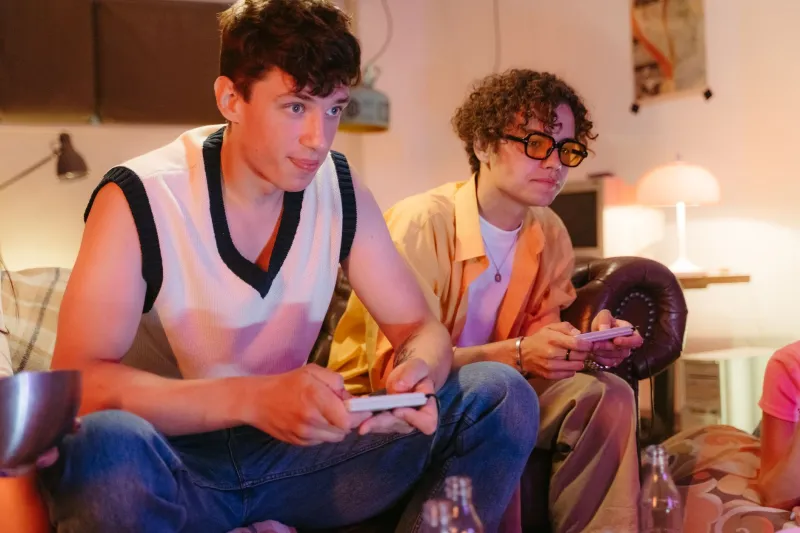
There's a specific kind of chaos that only happens when four people are crammed onto a single couch, controllers tangled, someone's elbow in someone else's ribs, all of you screaming at the same television screen. If you grew up gaming in the 80s or 90s, you know exactly what that feels like. If you came of age during the online multiplayer era, there's a decent chance you've never experienced it at all — and that's a genuine loss worth talking about.
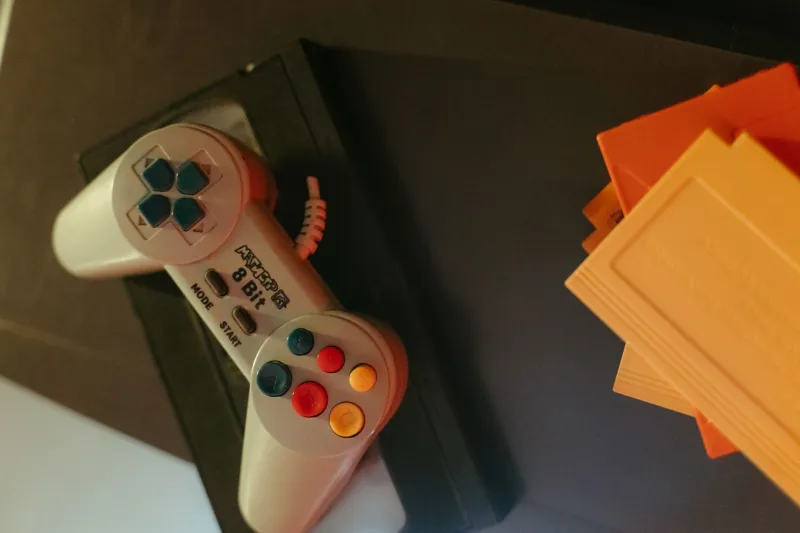
Local multiplayer didn't just fade out quietly. It got quietly dismantled, feature by feature, console generation by console generation, until one day you looked around and realized the industry had decided that "playing together" meant staring at separate screens in separate rooms, possibly in separate states. The retro gaming revival happening right now isn't purely about nostalgia for old graphics or chiptune soundtracks. A big piece of it is people hunting for something the modern industry stopped offering: games that are fundamentally designed around shared physical presence.
Built for the Room, Not the Router
When developers in the late 80s and early 90s designed multiplayer games, they weren't thinking about ping rates or matchmaking queues. They were thinking about the living room. The design constraints of that era — limited processing power, single television sets, no internet infrastructure — forced a kind of creative problem-solving that accidentally produced some of the most socially rich gaming experiences ever made.
Golden Axe wasn't just a beat-em-up. It was a negotiation. Two players sharing a screen had to communicate, coordinate, and occasionally blame each other for dying. Contra demanded genuine cooperation or you'd both be dead inside thirty seconds. Mario Kart 64's four-player split-screen turned a racing game into a psychological experiment in friendship destruction. These weren't games that happened to support local play — they were architected from the ground up around the assumption that the person next to you was as important as anything happening on screen.
That design philosophy created something harder to quantify than frame rates or resolution: games that generated stories. Not lore, not cutscenes — actual stories that belonged to the people playing them. The time your friend accidentally threw a grenade at your feet in Goldeneye. The Mortal Kombat tournament that ran until two in the morning at your cousin's house. Those moments are irreplaceable, and they required physical proximity to exist.
When Online Became the Default and Couch Co-op Became the Exception
The Xbox Live era changed everything, and not entirely for the worse. Online multiplayer opened up genuinely exciting possibilities. You could compete against skilled players across the country, coordinate raids with strangers who became friends, experience game worlds at a scale that local play could never support. Nobody's arguing that broadband gaming didn't bring real value.
But somewhere in the rush toward online infrastructure, the industry made a quiet decision: split-screen was expensive, technically complicated, and increasingly unnecessary. Why engineer a game to run two instances simultaneously on one machine when every player could just buy their own console and their own copy of the game? The economics made sense. The social math didn't.
By the mid-2010s, franchises that had built their identities around couch co-op were quietly dropping the feature. Halo, once synonymous with living room carnage, scaled back local multiplayer options. Call of Duty, which had split-screen as a selling point for years, eventually gutted it almost entirely on PC and reduced it on consoles. Even Nintendo, historically the most committed defender of local play, started nudging players toward online modes and separate Switch units.
The message, intentional or not, was clear: playing together means playing online now.
What Gets Lost When the Screen Splits No More
Here's what online multiplayer can't replicate, no matter how good the connection is: the physical experience of sharing a space with another person while you play.
Reading someone's body language when they're about to make a move. The involuntary flinch when something jumps out at both of you simultaneously. Passing a controller back and forth during a tough section. The completely unscripted comedy of two people reacting to the same moment in real time, in the same room, with no lag and no mute button. These aren't minor details. They're the entire texture of what made gaming a social activity rather than a solitary one conducted in parallel.
Researchers studying social bonding have noted for years that physical co-presence — actually being in the same space as another person — creates a quality of connection that remote interaction consistently fails to match. Gaming, for about two decades, was an unusually powerful vehicle for that kind of bonding. Then it largely stopped being that, and nobody really held a funeral.
The Retro Renaissance Has a Social Motivation Nobody Talks About Enough
Walk into any retro gaming meetup, swap meet, or arcade bar in America right now and pay attention to what people are actually doing. They're not just playing old games. They're playing old games together, in person, on the same screen. That's not a coincidence.
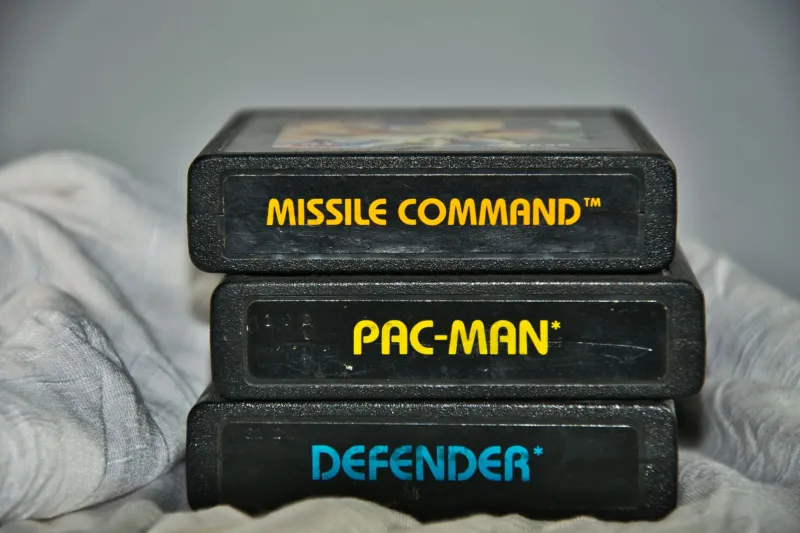
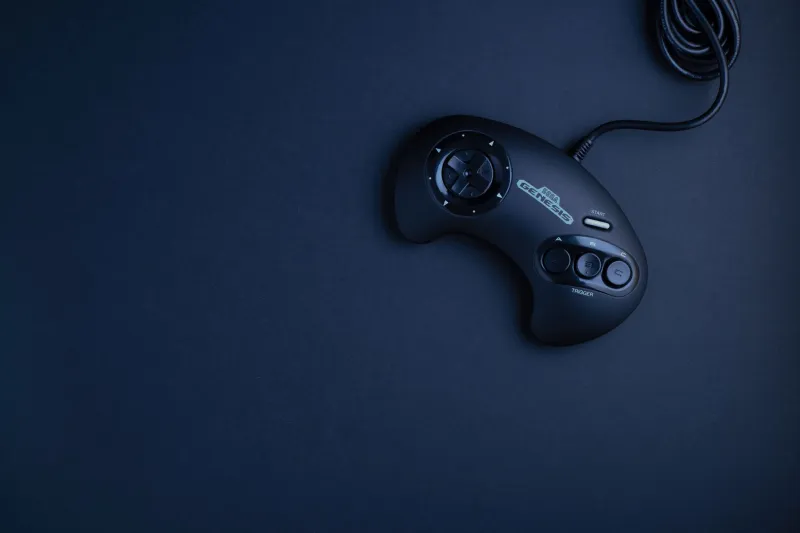
A lot of the energy driving the retro collecting market — the reason people are paying real money for working N64s and tracking down four-player adapters for the SNES — is a hunger for the kind of social gaming experience that the modern industry has largely abandoned. You can't replicate a four-player Bomberman session on Nintendo Switch Online the same way you can with an actual Super Bomberman cartridge and four controllers plugged into the original hardware. The context is different. The physical reality of it is different.
Some indie developers have noticed. Games like Lovers in a Dangerous Spacetime, Crawl, and the Jackbox series have built genuine audiences specifically by leaning into local multiplayer at a time when the major studios were walking away from it. They're not retro games, but they're operating on retro logic: design for the room first.
The Couch Isn't Going Anywhere
There's a version of this conversation that ends with a simple call for the industry to bring split-screen back, and sure, that would be great. More local multiplayer in modern games is an unambiguous good. But the more interesting point is what the retro gaming community has already figured out: you don't have to wait for the industry to catch up.
The games that created those shared experiences are still out there. They still work. A CRT television, a working console, and a few friends in the same room is all the infrastructure you need to access some of the most genuinely social gaming ever designed. The PixelVault crowd already knows this — it's part of why classic hardware holds its value in ways that defy normal collector logic. People aren't just buying memories. They're buying back a way of playing together that the modern market stopped selling.
Online gaming gave us the world. Retro gaming gave us the room. Both matter. But only one of them requires another human being close enough to elbow you when you steal their power-up, and that specificity turns out to be worth quite a lot.