Not Everything Needs a Safe: The Real Science Behind Which Retro Games Deserve Climate-Controlled Storage
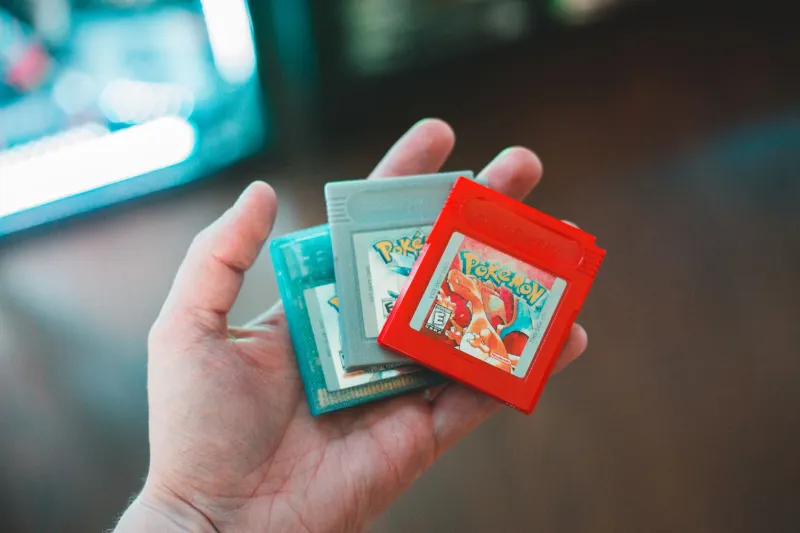
Walk into any serious retro collector's setup these days and you'll spot at least one piece of storage hardware that costs more than the games inside it. Dehumidifier pods, UV-blocking display cases, climate-controlled safes—the preservation arms race is real, and it's expensive. But here's the thing nobody in the hobby wants to say out loud: a lot of that gear is solving problems most collections will never actually face.
That doesn't mean preservation science is bunk. Some cartridges genuinely are time bombs. The trick is knowing which ones.
What Actually Damages a Cartridge?
Before you drop $300 on a climate-controlled cabinet, it helps to understand the three main villains in cartridge degradation: moisture, heat, and ultraviolet light. They don't all hit equally, and they don't hit every format the same way.
Moisture is the most misunderstood threat. Collectors obsess over humidity, but the real danger isn't ambient humidity sitting at 55%—it's cycling. Rapid swings between dry and damp conditions cause materials to expand and contract repeatedly, which is where PCB traces crack, solder joints fail, and label adhesives give up. A collection stored in a consistently moderate environment—even if that environment isn't perfectly climate-controlled—will generally outlast one that bounces between a dry heated house in winter and a humid garage in summer.
Heat accelerates chemical decay in battery-backed saves and in the plasticizers used in older cartridge shells. Temperatures above 85°F sustained over long periods are genuinely damaging. But "warm room" and "hot attic" are very different situations. A collection on a shelf in a climate-controlled American home is almost certainly fine.
UV light is the sneakiest damage agent because it's slow and invisible until it isn't. Prolonged exposure fades labels, yellows shells, and—in worst-case scenarios—can degrade the epoxy coatings on some older chips. Direct sunlight is the obvious culprit, but fluorescent lighting in display cases does real cumulative damage over years.
The Formats That Actually Need Protection
Not all cartridges are built the same, and some genuinely warrant more care than others.
Battery-backed SRAM games are the highest-priority preservation targets in any collection. Every cartridge from the NES, Super Nintendo, Game Boy, and N64 eras that saves your progress using an internal CR2032 battery is running on borrowed time—and that time is almost up for many of them. The batteries themselves typically last 15 to 25 years, meaning countless carts from the early-to-mid '90s are already dead or dying. Heat accelerates battery drain significantly. If you own a copy of EarthBound, The Legend of Zelda: A Link to the Past, or any other battery-backed SRAM cart you actually care about, keeping it somewhere consistently cool isn't paranoia—it's basic stewardship.
Paper and cardboard labels on NES cartridges are legitimately fragile. Nintendo used a paper-based label stock in the early NES years that absorbs moisture readily and peels under sustained humidity. Carts stored in damp basements or near exterior walls in humid climates like the Gulf Coast or Pacific Northwest will show label degradation faster than the same carts stored in drier regions like the Southwest. For high-value NES carts—your Stadium Events, your Little Samson, anything graded or potentially gradeable—UV-blocking storage and stable humidity make financial sense.
Famicom and early Japanese cartridges often used different PCB materials and conformal coatings than their American counterparts, and some are more susceptible to oxidation at the connector pins. If you're collecting import hardware, a silica gel pack in the storage container is cheap insurance.
The Formats That Are Probably Fine
Here's where we have to be honest with collectors who've been quietly spiraling about their Genesis library.
Sega Genesis cartridges are remarkably durable. The shells are thick, the PCBs are well-coated, and the vast majority of Genesis titles don't use battery-backed saves—they use passwords or EEPROM, both of which are far more stable long-term. Unless you're storing them in genuinely extreme conditions, your Genesis collection on an open shelf is going to outlast you.
Game Boy Color and Game Boy Advance cartridges are built like little tanks. The compact shells, solid-state storage in many GBA titles, and generally robust construction mean these carts handle normal household environments extremely well. Collector anxiety around GBA storage is largely aesthetic—people worry about shell yellowing, which is a cosmetic issue driven by UV exposure, not a functional degradation problem.
Optical media (PS1, Saturn, Dreamcast) has its own degradation pathway—disc rot—but that's a different conversation entirely, and it's not one that climate-controlled storage solves the same way. Disc rot is primarily a manufacturing quality issue, not a storage condition issue.
So What Storage Setup Do You Actually Need?
For most collectors with a mixed library stored in a normal American home, the answer is less dramatic than the hobby forums suggest.
A stable indoor environment—meaning your games aren't in the garage, the basement, or anywhere that swings more than 20 degrees seasonally—handles the majority of degradation risks automatically. Central air conditioning is doing more work for your collection than any specialized storage product.
Silica gel packs in any sealed storage containers are cheap, effective, and worth using if you're boxing games away for long periods. Swap them every year or two.
UV-blocking display cases make sense if you're displaying games near windows or under fluorescent lighting for extended periods. They're not mandatory for a collection in a dim back room.
A dedicated climate-controlled safe or cabinet is worth the investment only for specific high-value items: sealed games, professionally graded cartridges, rare variants, and battery-backed carts with significant monetary or sentimental value. Buying one to store your complete-in-box Chrono Trigger is reasonable. Buying one for your 200-cart Genesis library is probably overcorrecting.
The Real Preservation Priority Most Collectors Miss
Here's the uncomfortable truth: the biggest threat to most retro collections isn't humidity or UV light. It's the battery-backed save data that's already gone or going. Before you spend another dollar on a storage upgrade, consider whether you've backed up your save files from the carts that matter most to you.
A dead battery doesn't destroy the game—it destroys the memory inside it. Your 200-hour Final Fantasy III file, your complete Pokédex, your childhood high scores. Those are already lost in millions of carts sitting in collections across the country, and no amount of climate-controlled storage would have saved them once the battery hit zero.
If you want to be a real preservation-minded collector, buy a cartridge reader. Back up your saves. Replace the batteries in the carts you care about. Then worry about the humidity.
The vault is a good idea. Just make sure you know what you're actually protecting before you build it.