Checked Out: How Your Local Library Quietly Became a Temple for Retro Gaming
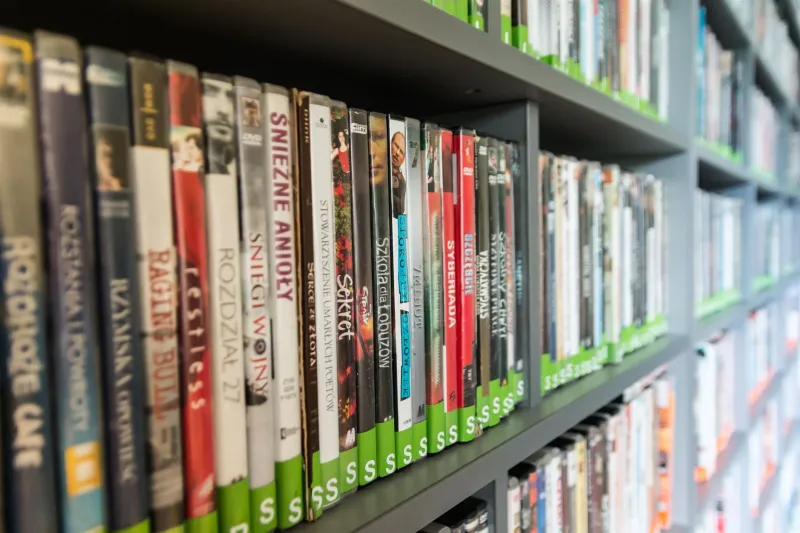
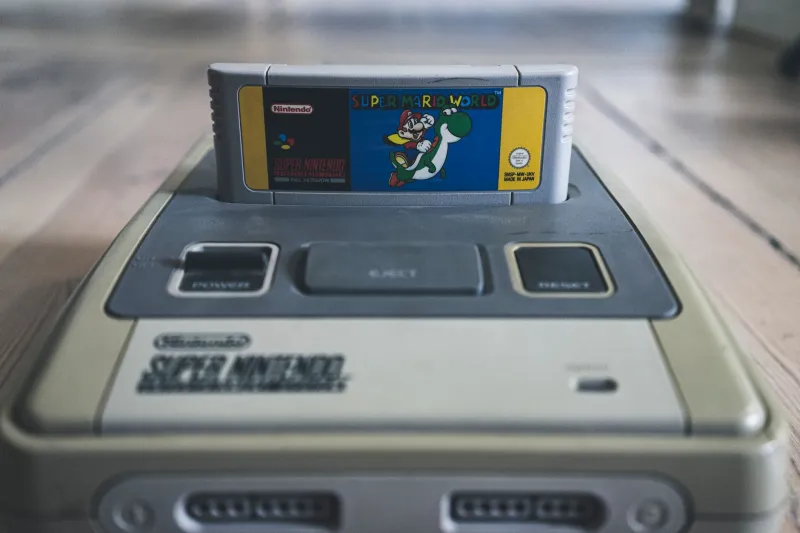
Walk into the Ann Arbor District Library on a Saturday afternoon and you might notice something unexpected wedged between the DVD racks and the large-print fiction section: a glass case holding a row of Super Nintendo cartridges, a working Sega Genesis hooked up to a monitor, and a hand-lettered sign that reads "Play Me." It's not a museum exhibit. It's just Tuesday — or Saturday, or whenever the library's gaming corner is open for drop-in play.
This isn't a one-off quirk. Across the country, public libraries are quietly becoming some of the most surprising stewards of retro gaming history, and the story of how they got there is equal parts heartwarming and complicated.
The Donation Pipeline Nobody Saw Coming
It usually starts with a phone call. A librarian picks up, and on the other end is someone who just cleaned out their parents' house, or a collector in their sixties who's decided they don't want their life's work ending up in a landfill or a predatory resale market. The question is almost always the same: "Do you take games?"
For years, many libraries said no. Storage was tight, cataloging systems weren't built for cartridges, and nobody was quite sure whether lending a copy of Mega Man 2 carried the same legal weight as lending a paperback. But something shifted in the mid-2010s, and it's been accelerating ever since.
Libraries in cities like Seattle, Columbus, and Kansas City started experimenting with small gaming collections — often just a shelf of donated titles — and discovered something obvious in retrospect: people actually showed up. Not just kids, either. Adults in their thirties and forties would linger at the display cases, pick up a cartridge, and get that look. You know the one.
"We had a guy come in three weeks in a row just to play Chrono Trigger on our SNES," said one circulation staff member at a mid-sized Midwestern branch who asked not to be named because they weren't authorized to speak to press. "He said he'd sold his copy in college and never forgave himself. He cried a little. We pretended not to notice."
The Cataloging Nightmare
Here's where it gets thorny. Libraries live and die by their cataloging systems — the Dewey Decimal System, MARC records, interlibrary loan protocols. None of that infrastructure was designed with a loose copy of EarthBound in mind, let alone the original box, the Player's Guide insert, and a working Super Nintendo to run it on.
Some libraries have gotten creative. The Denver Public Library, which has one of the more robust gaming collections in the Mountain West, uses a modified cataloging schema borrowed loosely from audiovisual media standards. Others have leaned on volunteers from local gaming communities — people who already know the difference between a first-print and a later revision of a cartridge — to help build out their records.
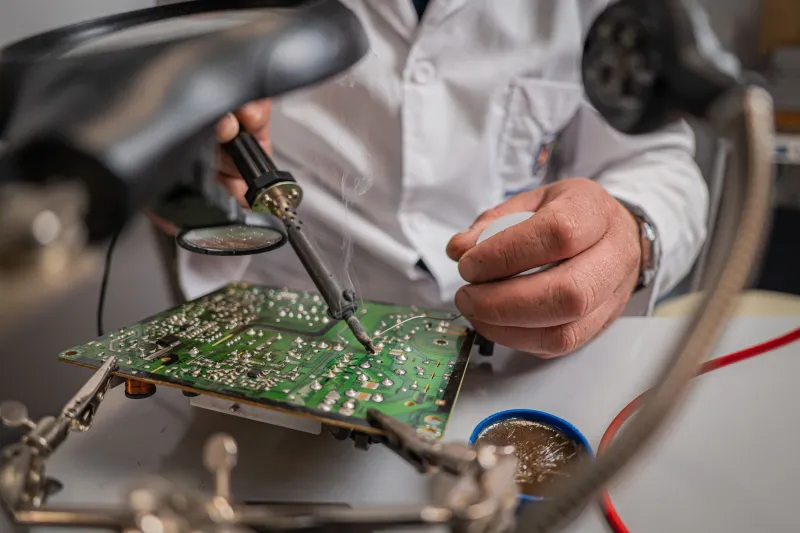
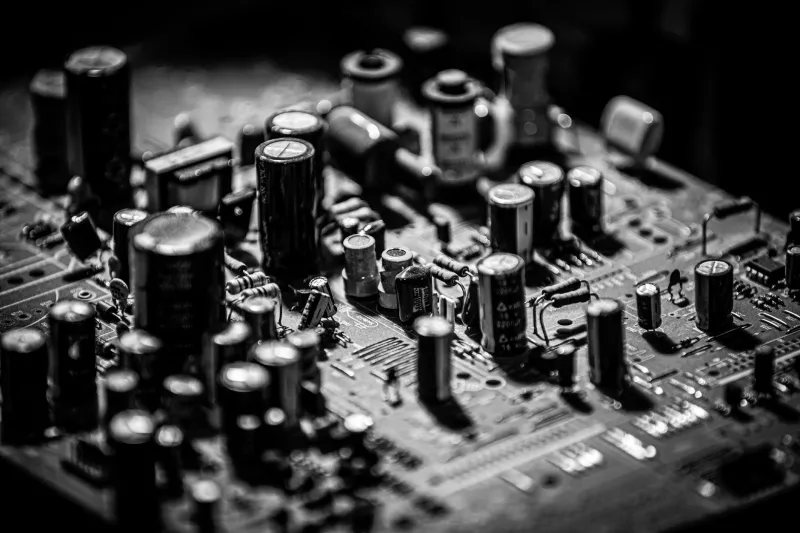
But hardware is the real headache. Books don't need a compatible device to be read. A stack of Atari 2600 cartridges is basically inert without a working console, and working consoles from 1977 are not exactly a renewable resource. Libraries that have committed to playable retro collections are discovering what collectors have known for years: vintage hardware breaks down, capacitors age out, and nobody at the reference desk necessarily knows how to recap a Game Boy Color.
Some institutions have solved this by partnering with local repair communities — the same hobbyist networks PixelVault has covered before — to keep their hardware functional. Others have quietly started acquiring "parts units" alongside their display-quality pieces, cannibalizing dead machines to keep the living ones running. It's a very different kind of collection management than cataloging a Stephen King novel.
The Licensing Elephant in the Room
Then there's the legal question, and it's a genuinely uncomfortable one that most libraries are navigating by feel rather than by clear precedent.
Lending a physical book is protected under the First Sale Doctrine — once a publisher sells a copy, the buyer can resell or lend it without owing royalties. Physical game cartridges arguably fall under the same protection, and most legal scholars who've weighed in suggest that lending a cartridge is probably fine. Probably.
The problem is that nobody has definitively tested it. The video game industry's relationship with used sales and lending has always been tense, and while no major publisher has gone after a library for lending Super Mario World, the absence of a lawsuit isn't the same as a green light. A few libraries have quietly reached out to publishers for guidance and received, in the words of one librarian who spoke on background, "a whole lot of non-answers."
Digital titles add another layer of complexity that most libraries are simply avoiding for now. The retro focus — physical cartridges, physical discs, physical hardware — is partly a practical choice and partly a legal one. Nobody wants to be the library that accidentally triggers a landmark copyright case over a copy of Sonic the Hedgehog.
Democratizing the Vault
Strip away the logistical headaches, though, and what libraries are doing here is genuinely important. Private collectors preserve games too, obviously — and we celebrate that constantly here at PixelVault — but private collections are, by definition, private. You have to know someone, or pay someone, or get lucky at an estate sale.
A library puts a copy of Earthworm Jim or Castlevania: Symphony of the Night in front of a kid who has never heard of either, charges them nothing, and asks only that they bring it back. That's a different kind of preservation than keeping a mint-condition cartridge in a UV-protected case. It's preservation through use, through living memory, through a twelve-year-old discovering that games were doing wild things long before they were born.
There's also something quietly radical about the donation model. When a collector in their sixties decides to give their life's work to a library rather than selling it to a reseller who'll flip it at maximum markup, they're making a statement about what that collection is for. Not investment. Not status. Access.
What Comes Next
The movement is still young and still uneven. Some libraries have robust, well-funded gaming collections with dedicated staff. Others have a cardboard box of donated cartridges sitting behind the circulation desk that nobody's quite sure what to do with. There's no national standard, no Library of Congress guidance specifically tailored to game lending, and no clear answer yet on how these collections will survive the next twenty years of hardware degradation.
But the energy is real. The American Library Association has begun hosting sessions on gaming collections at its annual conferences. A loose network of librarians who specialize in games — yes, that's a thing now — has been quietly sharing best practices online. And the donations keep coming.
Somewhere right now, someone is boxing up their childhood collection and trying to figure out where to send it. More and more often, they're driving it to their local library. That's not a bad place for it to end up.