Soldering Irons and Save States: How Hobbyist Repair Communities Became the Real Guardians of Gaming History
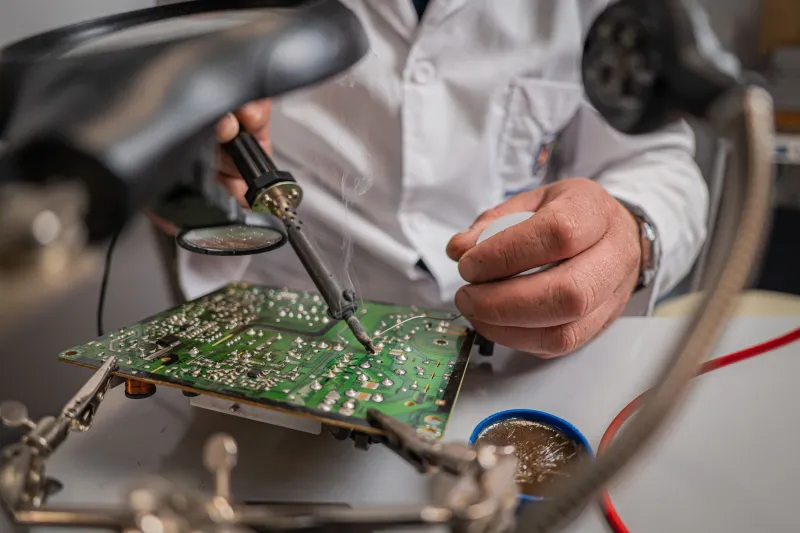
There's a guy in Ohio — goes by RetroTechDave online — who has spent the better part of three years filming himself fixing broken NES cartridges on a folding table in his garage. His lighting isn't always great. His dog occasionally wanders into frame. But his video on cleaning and re-pinning corroded Mega Man 2 boards has over 400,000 views and a comment section that reads like a support group for people who thought their childhood was gone forever.
That's the thing about the DIY repair movement in retro gaming. It doesn't look like preservation from the outside. It looks like a bunch of enthusiasts hunched over magnifying glasses and isopropyl alcohol. But zoom out a little, and what's actually happening is something genuinely remarkable: everyday collectors are crowd-sourcing an entire body of technical knowledge that the original manufacturers never bothered to document — and in doing so, they're keeping gaming history alive in ways that no corporate entity has shown any interest in doing.
The Documentation Nobody Asked For (But Everyone Needed)
When a cartridge from 1988 stops working, there's no customer support line to call. There's no official repair guide. Nintendo isn't publishing troubleshooting flowcharts for Contra. The companies that made these things moved on decades ago, and the technical staff who built them either retired, changed careers, or signed NDAs that covered anything useful.
So where do you turn when your Earthbound cart throws a blank screen?
You go to Reddit. You go to YouTube. You go to forums like NFGWorld or the subreddits dedicated to console repair. And increasingly, you find detailed, step-by-step documentation that would make a professional archivist jealous. Schematics reverse-engineered from scratch. Chip-level diagnoses written up in plain English. Comparison photos showing what a healthy solder joint looks like versus one that's failing. This stuff didn't exist fifteen years ago. The community built it from nothing.
The scale of what's been assembled is genuinely staggering when you start poking around. Channels like My Mate VINCE, Voultar, and Bob from RetroRGB have collectively produced hundreds of hours of repair content covering everything from basic cartridge cleaning to advanced FPGA modding. The comment sections under those videos function as living Q&A threads, with experienced hobbyists troubleshooting edge cases in real time. It's a distributed knowledge base that no single institution funded or organized — it just grew, organically, because people cared.
Filling the Void Left by Corporate Abandonment
Here's the uncomfortable truth: the companies that made your favorite classic games have almost no financial incentive to help you fix them. Re-releases, compilations, and subscription services like Nintendo Switch Online are the business model now. A working original cartridge doesn't generate recurring revenue. A broken one might push you toward buying the digital version.
That's not a conspiracy theory — it's just economics. And it means the preservation of physical gaming hardware has fallen almost entirely to hobbyists who do it because they love the medium, not because anyone's paying them.
What makes the repair community particularly valuable is that they're not just fixing things — they're explaining things. A collector who learns how to replace the battery in a Game Boy cartridge to preserve a save file isn't just solving their own problem. They're documenting a technique that applies to hundreds of other games across multiple platforms. When that knowledge gets uploaded to YouTube or written up in a forum post, it becomes a permanent resource. Future collectors will find it years from now when they're staring at a dead Pokémon Red battery and wondering what to do.
This is institutional knowledge in the truest sense. It just happens to live on the internet instead of in a library.
The Rise of the Repair-as-Community Model
What's shifted in the last several years isn't just the volume of repair content — it's the culture around it. Fixing a broken console used to feel like a solitary, slightly desperate endeavor. Now it's practically a social activity.
Discord servers dedicated to specific consoles have become surprisingly sophisticated technical communities. The Sega Saturn repair Discord, for instance, has channels broken out by specific failure modes, with pinned resources and experienced members who'll walk you through a diagnosis in real time. Similar communities exist for the Neo Geo, the 3DO, the Atari Jaguar — consoles that were commercial failures but apparently have enough devoted fans to sustain active repair networks decades later.
The collaborative aspect matters more than it might seem. Hardware failures on vintage systems are rarely identical. A corroded board that sat in a humid basement in Florida looks different from one that spent thirty years in a dry Colorado attic. When hundreds of people are sharing their specific experiences and outcomes, patterns emerge that no single technician working alone would ever identify. The community becomes smarter than any individual in it.
There's also something worth noting about the accessibility angle. Repair content that lives on YouTube is free. The forums are free. The knowledge that used to require knowing the right person — the one guy in your town who fixed electronics — is now available to anyone with an internet connection and a willingness to learn. That democratization has genuinely expanded the number of people who can keep their collections functional, which means more hardware survives.
Not Without Its Tensions
It would be dishonest to pretend this ecosystem is without friction. The repair community occasionally bumps up against the same legal gray areas that haunt the broader retro scene. Sharing BIOS files, modified firmware, or region-unlock techniques can edge into legally murky territory even when the intent is purely preservationist.
There's also a quality-control problem that comes with any decentralized knowledge base. Not every YouTube repair video is accurate. Not every forum post reflects best practices. Collectors — especially newcomers — occasionally follow bad advice and make a damaged cart worse. The community polices this to some extent through comments and corrections, but it's an ongoing challenge.
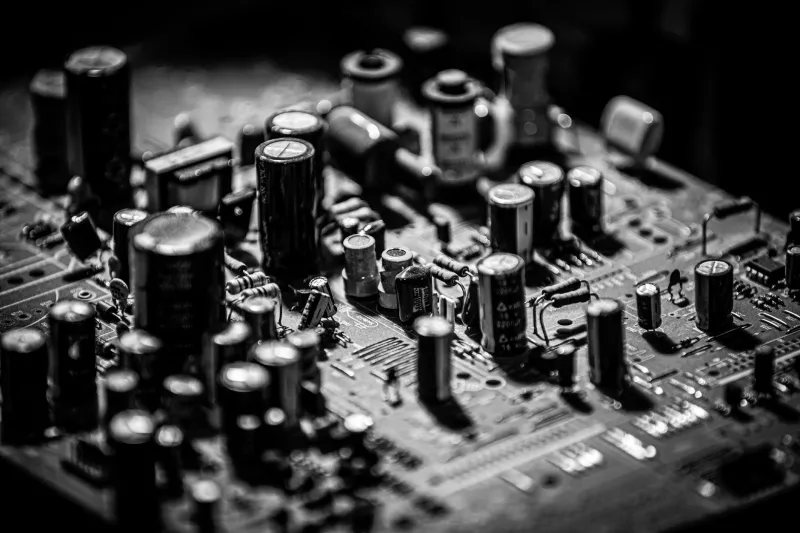
And the hardware itself isn't getting any younger. Some of the failure modes that repair communities are now documenting — capacitor degradation, battery corrosion, connector oxidation — are accelerating as the decades pile up. There's a real race-against-time quality to what these hobbyists are doing, even if most of them would shrug and say they're just having fun.
The Vault Stays Open
What the DIY repair movement has built, without any corporate backing or institutional mandate, is something genuinely worth celebrating: a living archive of technical knowledge about hardware that the people who made it have long since forgotten about.
Every video tutorial, every forum thread, every Discord channel dedicated to keeping a 30-year-old circuit board alive is a small act of cultural preservation. The companies moved on. The hobbyists didn't. And because they didn't, the games that shaped a generation of American kids — and the machines that ran them — have a fighting chance at surviving long enough for the next generation to discover them.
RetroTechDave's garage setup might not look like a museum. But in the ways that actually matter, it kind of is.