Breaking Down to Build Back Up: How the Capacitor Crisis Sparked a Retro Restoration Renaissance
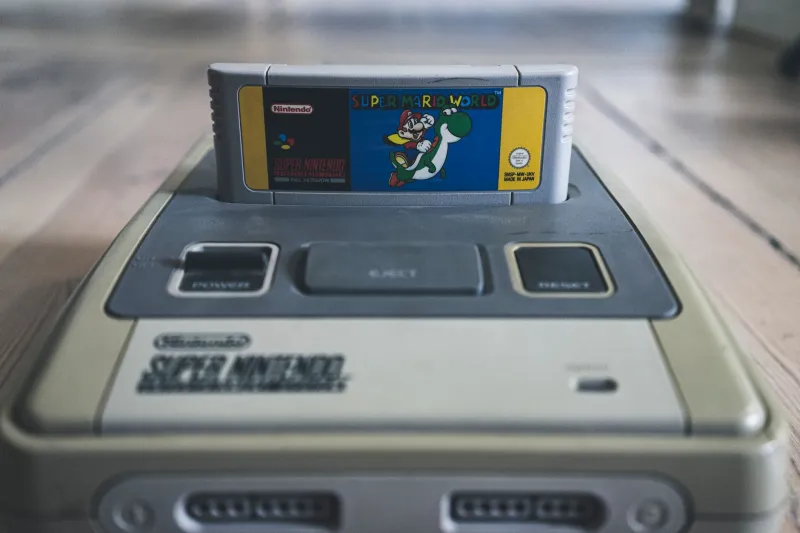
There's a certain irony buried inside every failing Sega CD or aging Super Nintendo board: the same chemical reaction quietly killing vintage hardware has also been generating livelihoods, communities, and a surprisingly sophisticated repair ecosystem. What started as a slow-motion disaster — electrolytic capacitors leaking, bulging, and corroding their way through decades of classic consoles — has accidentally become one of the most energizing forces in retro gaming today.
Ask anyone who's spent serious time in the collecting scene and they'll tell you the same thing. Dead boards create demand. Demand creates specialists. And specialists, over time, create something that starts to look a lot like a golden age.
The Problem Nobody Wanted to Talk About
For a long time, the capacitor issue flew under the radar for casual collectors. You'd pick up a Sega Genesis at a thrift store, plug it in, and it'd work fine — or so it seemed. The degradation is insidious. Electrolytics don't fail all at once. They leak slowly, sometimes over years, corroding nearby traces and components before you ever notice the audio getting fuzzy or the picture starting to roll.
Systems manufactured between the late 1980s and mid-1990s are especially vulnerable. The Game Boy Advance, the original PlayStation, the Sega Saturn, the TurboGrafx-16 — virtually every major console from that era is carrying aging capacitors that are either already failing or on the clock. The worst offenders are systems with surface-mount capacitors packed tight onto dense PCBs, where a single leak can ruin an entire board if it goes unaddressed.
For years, the community's response was essentially: hope for the best. Then the repair people showed up.
A Craft Born From Necessity
The first wave of retro console repair specialists weren't entrepreneurs — they were hobbyists who got tired of watching good hardware die. Forum threads on sites like NintendoAge and Sega-16 started filling up with teardown guides, cap lists, and step-by-step recapping tutorials. YouTube channels dedicated to board-level repair began accumulating hundreds of thousands of subscribers. The information was out there, free, and it was spreading fast.
What happened next was almost inevitable. A subset of those hobbyists realized they were actually good at this — really good — and that there was a market full of collectors who either didn't have the skills or the time to do it themselves. Small repair shops started popping up on Etsy, eBay, and eventually standalone websites. Some operated out of garages. Others grew into legitimate businesses with waitlists stretching weeks out.
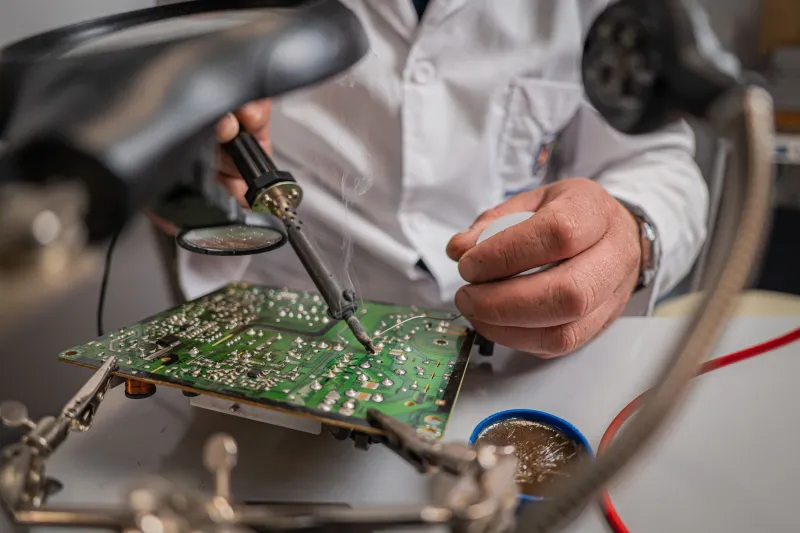
The craft evolved quickly. Early recapping work was functional but rough — get the old caps off, solder the new ones on, call it a day. Over time, techs started pushing further. Why stop at recapping when you could also add an RGB bypass? Why not install a proper voltage regulator while the board was already open? The repair became the gateway to a broader philosophy of hardware improvement, and customers started asking not just for working consoles but for better ones.
More Than Just Fixing — It's Upgrading History
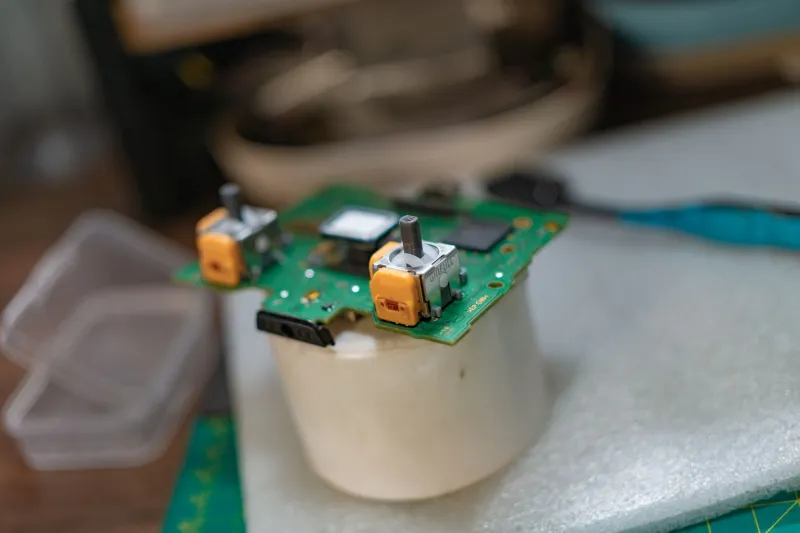
Walk through the service menu of any serious retro repair shop today and you'll see offerings that would've seemed exotic even five years ago. Capacitor replacement is often just the entry point. From there, techs offer HDMI mods, overclock kits, region-free conversions, and custom shell work. The console you send in comes back not just alive but transformed.
Shops like Retro Game Repair Shop out of the Midwest have built entire business models around this tiered approach. Send in your SNES, get back a recapped, region-unlocked machine with a modern output mod installed. The work isn't cheap — a full restoration with upgrades can run anywhere from $80 to $200 depending on the system — but the market clearly supports it. Waitlists at the more reputable operations regularly stretch into months.
What's striking is how much pride these techs take in the craft. Talk to anyone doing this work seriously and they'll describe it less like electronics repair and more like restoration in the art conservation sense — bringing something back to life while respecting what it originally was. There's a real tension between preservation and modification that the best shops navigate thoughtfully.
"I always ask what the customer wants before I touch anything," says one technician who runs a restoration service out of Portland and asked to be identified only by his forum handle, CapKing_PDX. "Some people want museum-accurate. Some want the best possible version of the hardware. Those are really different jobs and you have to treat them differently."
The Economics Are Real
This isn't just a passion project economy anymore. The restoration market has matured to the point where it supports real businesses, dedicated supply chains, and specialized component suppliers who stock nothing but retro console cap kits. Companies like Console5 and Retro Game Cave have built entire catalogs around pre-sorted capacitor kits for specific systems, removing one of the biggest barriers to entry for DIY repairers.
The secondary effect on collecting values is also worth noting. A properly recapped and restored console commands a meaningful premium on the resale market. A working, recapped Sega CD — one of the most cap-prone systems ever manufactured — can sell for two to three times what a non-restored unit fetches, even accounting for the labor cost. Buyers have gotten educated, and they're willing to pay for peace of mind.
That premium also creates a virtuous cycle. Higher resale values justify the cost of professional restoration, which means more consoles get restored rather than discarded, which means more hardware survives for future collectors. The crisis, paradoxically, is preserving the very things it threatened to destroy.
What Gets Lost and What Gets Saved
It's not all good news. Not every failing board gets rescued. Plenty of consoles end up in parts bins, their PCBs too corroded to save, stripped for components that might keep other machines alive. The techs who do this work are candid about the losses. For every Saturn they bring back, there's one that came in too late.
The harder conversation is about the consoles nobody's repairing — the cheap, unloved machines that don't carry enough collector value to justify the cost of restoration. Obscure home computers, off-brand handheld clones, regional variants that never found a US audience — those are the systems quietly disappearing without anyone noticing.
But within the mainstream retro canon, the picture is genuinely optimistic. The community that grew up around the capacitor crisis has built something durable: a knowledge base, a supply chain, a culture of repair that didn't exist twenty years ago. Classic consoles are getting second and third lives that nobody planned for.
The Vault Stays Open
PixelVault exists on a pretty simple premise — classic games don't have to die. What the capacitor restoration movement proves is that the hardware doesn't have to die either, as long as there are people willing to learn the craft and do the work. The decay is real, the clock is running, but the community has responded in a way that's genuinely worth celebrating.
If you've got an aging console sitting in a closet, the message from the restoration community is pretty clear: don't wait. The earlier you catch degraded caps, the better the odds of a full recovery. And if you're not comfortable with a soldering iron yourself, there's a whole ecosystem of skilled techs out there who've made it their business to keep your hardware alive.
The golden age of retro gaming isn't just about the games. It's about the machines that run them — and the people who refuse to let those machines go quietly.