Living in the Archive: The Private Collectors Who Preserve Gaming History Better Than Museums Do
Somewhere in a climate-controlled spare bedroom in suburban Ohio, a man named Dave has more unreleased Nintendo prototypes than the Smithsonian. He's not alone. Across the country, a loose network of obsessive collectors has quietly assembled gaming archives that rival the world's best institutional holdings. The question nobody's quite figured out how to answer is whether that's a good thing.
What a Real Private Archive Looks Like
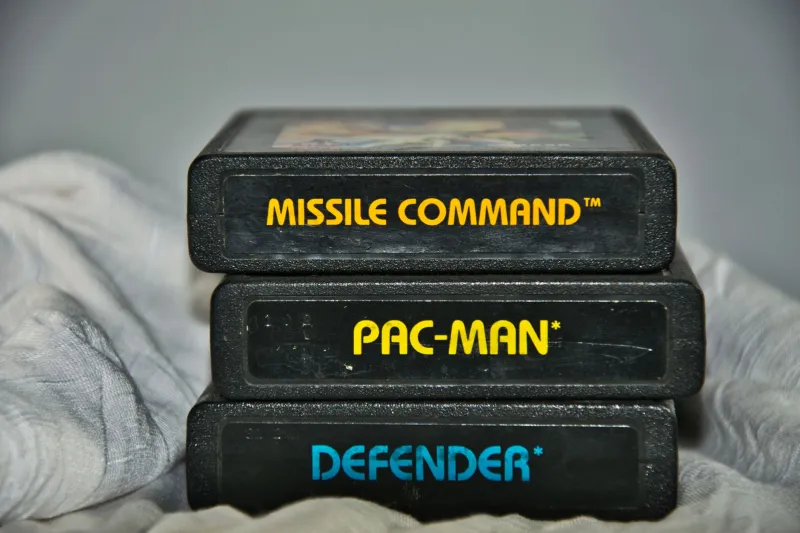
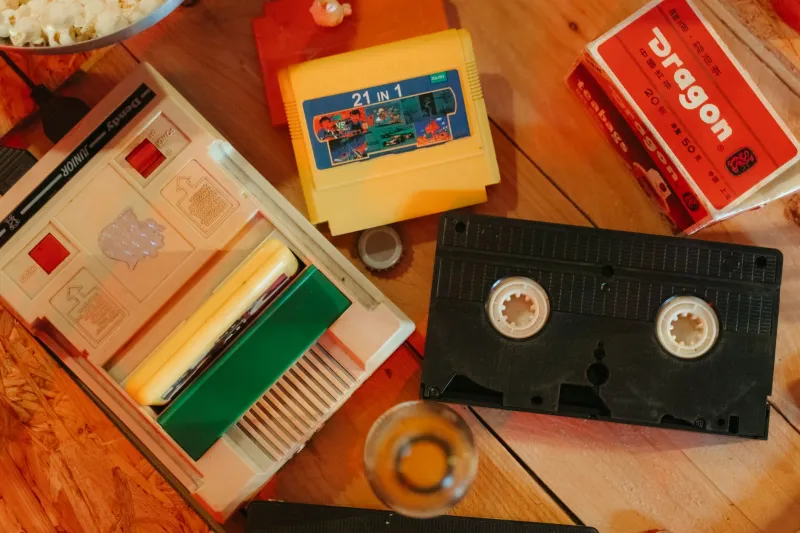
Forget the guy who has a shelf of CIB NES games and a couple of Game Boys in a display case. The collectors we're talking about operate on a fundamentally different level. Think hermetically sealed storage systems, custom-built humidity controls, and spreadsheet databases that would make an archivist weep with envy. Some of these people own development cartridges — the kind of pre-release hardware that only ever existed inside a publisher's offices. Others have physical artifacts: handwritten design documents, original concept art, internal memos from developers who've been dead for twenty years.
A few of them have things that, technically speaking, were never supposed to leave the building.
Authentication is where things get genuinely fascinating. Without a centralized body to verify legitimacy, private collectors have had to build their own knowledge networks. Forum communities, Discord servers, and long-standing relationships with former industry insiders form an informal authentication chain that's surprisingly robust. Collectors cross-reference board revisions, examine solder points, and compare label printing characteristics with known originals. It's forensic work, and some of these hobbyists are frankly better at it than many paid professionals.
The Drive Behind the Obsession
Ask a serious collector why they do it and you'll get answers that range from the deeply personal to the philosophically grandiose. Some will tell you it's about preservation — that if they don't save this stuff, it simply disappears. That's not wrong. Gaming history has a genuinely terrible track record of institutional neglect. Publishers routinely destroyed source code, hardware, and documentation when projects were shelved. The corporate memory of the games industry is full of holes, and private collectors have plugged more than a few of them.
Others are more honest about the emotional current running underneath all of that. There's a possessive thrill in owning something rare. When you hold a prototype cartridge for a game that never shipped, you're holding a piece of a timeline that didn't happen. That's heady stuff, and the collector community isn't always comfortable admitting how much that feeling drives the whole enterprise.
Then there's the financial dimension, which nobody likes to talk about but everybody thinks about. Rare gaming artifacts have appreciated dramatically over the past decade. A development cartridge that might have sold for a few hundred dollars in the early 2000s can now command tens of thousands. The line between passionate archivist and savvy investor gets blurry in a hurry.
When Private Collections and Public Good Collide
Here's where it gets complicated. Museums and academic institutions that study game history — places like the Strong National Museum of Play in Rochester, New York — have genuine research missions. They want to catalog, study, and make gaming artifacts accessible to scholars and the public. But they're competing in the same market as private collectors, often with smaller budgets and slower acquisition processes.
The result is that some of the most historically significant objects in gaming — prototypes that could answer real questions about game development history, hardware that could inform technical research — sit in private collections that the public will never see. The collector may be taking perfect care of the item. They may even be willing to share high-resolution scans or detailed documentation. But the physical object, with everything it might reveal under proper analysis, remains locked away.
This isn't an indictment of collectors. Most of them genuinely love gaming history and many are more careful stewards than underfunded institutional storage rooms would be. But the ethical tension is real, and the community debates it with surprising candor.
The ROM Dump Question
One partial resolution that's emerged organically from the collector community is the practice of ROM dumping — creating digital backups of prototype software and releasing them publicly, even while retaining the physical cartridge. It's a middle ground that satisfies the preservation instinct without requiring collectors to give up the objects they've spent years and significant money acquiring.
The practice isn't universally embraced. Some collectors argue that dumping a ROM reduces the scarcity value of their physical piece, which is an argument that reveals a lot about the real motivations at play. Others worry about legal exposure, since many of these prototypes exist in a murky zone of intellectual property law. But a meaningful number of collectors have shared prototype dumps freely, and gaming history is genuinely richer for it.
What Comes Next
The private archive world is at an inflection point. The original generation of serious collectors — the people who started building these hoards in the 1990s when nobody else cared — is aging. Estate planning for a collection worth hundreds of thousands of dollars in rare gaming artifacts is not a problem that comes with an obvious playbook. Some collectors are working with institutions to arrange eventual donations. Others are hoping their families will maintain the collections intact. Some, frankly, haven't thought that far ahead.
What's clear is that these private archives represent an irreplaceable slice of cultural history. The games themselves are remembered. The hardware that ran them is documented. But the prototypes, the artifacts, the physical evidence of how this industry made its decisions — that material exists in a fragile ecosystem held together by passion, money, and the particular obsessive energy that only retro collecting seems to produce.
Dave in Ohio knows where every item in his collection came from and exactly what condition it's in. The question nobody can answer yet is where it all goes when he's done with it.