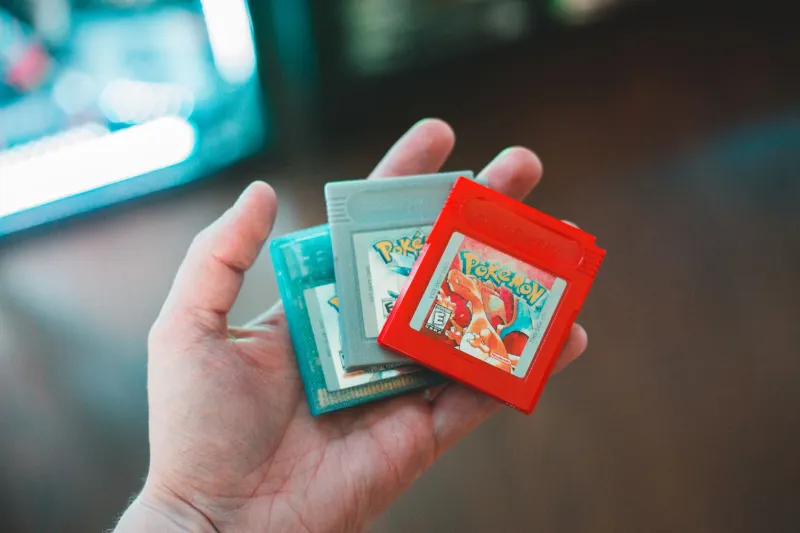
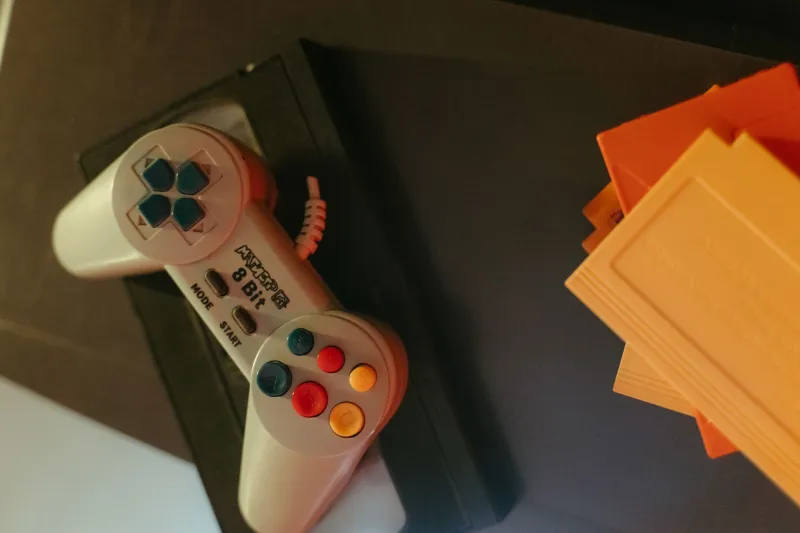
Cartridges Don't Expire: Why Retro Collectors Are Betting on Physical Over Digital
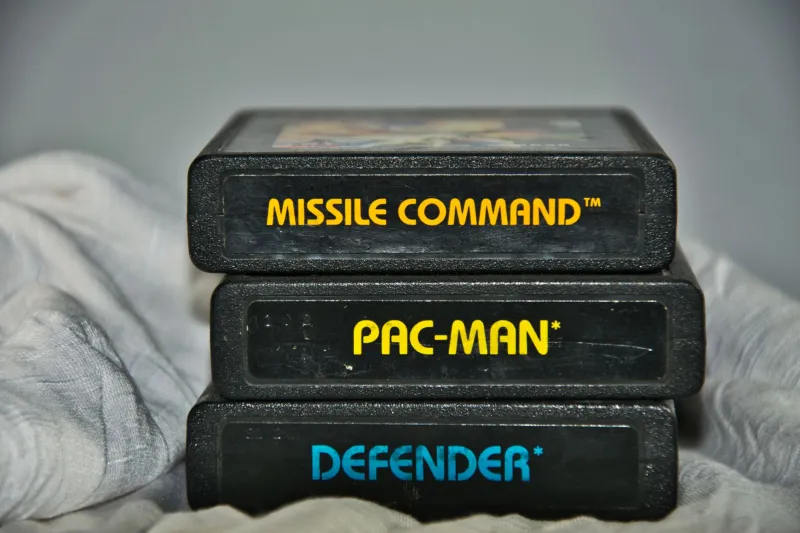
Somewhere in a storage unit outside Columbus, Ohio, Marcus Webb has roughly 2,400 cartridges stacked in custom-built shelving he designed himself. NES, SNES, Genesis, Game Boy — the whole timeline. He's been collecting since the early 2000s, back when you could still find loose Super Mario Bros. carts at Goodwill for a buck fifty. But lately, something's changed about why people like Marcus are collecting. It's not purely nostalgia anymore. For a lot of folks, it's starting to look a lot like survival instinct.
"I watched three different digital libraries basically evaporate in the last five years," Marcus told us over the phone. "Games I paid real money for. Gone. You can't blow on a server to make it work again."
He's not wrong — and he's far from alone.
The Digital Promise That Keeps Breaking
The pitch for digital gaming always sounded clean: no scratched discs, no lost cartridges, a whole library in your pocket. But the fine print has a way of catching up to you. When Sony briefly threatened to shut down the PlayStation 3 and PSP stores back in 2021, the backlash was enormous — and even though they reversed course under pressure, the message landed hard. These platforms exist at the pleasure of corporations, and corporations change their minds.
Microsoft has quietly delisted hundreds of Xbox 360 titles over the years. Nintendo has a long, complicated history with its Virtual Console offerings, essentially making customers repurchase the same games across multiple generations with zero transfer options. And smaller storefronts? They just disappear. The Wii Shop Channel is gone. The DSi Shop is gone. If you didn't download your purchases before the lights went out, tough luck.
For retro gaming fans who already understand what it means to preserve something fragile, this pattern feels deeply familiar — and deeply alarming.
Physical Media as Financial Logic
Here's where things get interesting. What started as a philosophical stance — I want to actually own what I buy — is increasingly becoming a legitimate economic argument.
Retro game prices have been volatile, sure. The pandemic-era bubble inflated values on everything from common NES titles to obscure TurboGrafx-16 releases. Some of that air has come out. But the underlying logic of physical ownership has only gotten stronger. A cartridge sitting on your shelf doesn't require a server to authenticate. It doesn't need a company to still be in business. It doesn't vanish when a licensing deal with a film studio expires.
"Physical media is the only format where the asset is actually yours," says Dana Forsythe, who runs a retro game shop in Portland and has watched her customer base shift noticeably over the past two years. "I've had people come in specifically because they got burned on digital. They bought a library on a platform that's winding down, and now they're starting over — but this time with something they can hold."
The irony is thick: hardware that's 30 years old is now being framed as the more stable investment compared to modern digital infrastructure.
The Licensing Trap Nobody Warned You About
One of the least-discussed aspects of digital game ownership is how thoroughly licensing agreements undermine the whole concept. When you buy a game digitally, you're not purchasing the game — you're purchasing a license to access it under specific conditions that can change or disappear. Most users click through those terms without reading them, which is understandable, but the consequences are real.
Games built around licensed music are particularly vulnerable. Scott Pilgrim vs. the World: The Game famously vanished from storefronts for years because of music rights issues before eventually returning. Countless other titles haven't been so lucky. Racing games with real car manufacturers, sports titles with player likenesses, games featuring branded content — all of them are ticking clocks on digital platforms.
Physical copies of those same games? Still playing fine. The disc doesn't care that the license lapsed.
"It's almost poetic," says retro collector and YouTube personality Jamie Ostrowski, who goes by RetroJam online. "The formats that were supposed to be obsolete are the ones that actually honor the concept of ownership. Meanwhile the 'future' of gaming is built on borrowed time."
Who's Making the Switch?
The demographic here is broader than you might expect. Yes, longtime retro enthusiasts are doubling down on physical collecting — but they're being joined by a newer wave of converts who came up entirely in the digital era and are now rethinking things.
College students who grew up with Steam and mobile gaming are hitting their mid-twenties, watching platforms they trusted shift under their feet, and starting to ask uncomfortable questions. Some of them are buying their first cartridges not because they grew up with the hardware, but because they're done trusting storefronts.
There's also a practical dimension for families. A parent who buys a physical copy of a game can hand it to their kid without worrying about account authentication, regional restrictions, or whether the publisher still supports the platform. Old cartridges work in old consoles. That's it. That's the whole equation.
The Preservation Parallel
This shift also connects to something the retro gaming community has understood for a long time: if you don't preserve it, nobody will. Organizations like the Video Game History Foundation have been sounding the alarm about how much gaming history is already lost — and how digital-only releases are accelerating that loss, not slowing it down.
Physical media, for all its vulnerabilities — battery-backed saves that die, disc rot, label peeling — at least exists in a form that can be copied, archived, and passed along. A digital license that expires takes its content with it, potentially forever.
Marcus, back in his Columbus storage unit, puts it simply: "I can will these games to my kids. Can you will someone a Steam account? Not really, no."
What This Means for the Market
The practical effect of all this philosophical reckoning is showing up in the collecting market. Demand for complete-in-box retro titles has stayed surprisingly resilient even as the broader bubble deflated. Sealed games — once the domain of hardcore investors — are now attracting buyers who genuinely intend to play them eventually, just on their own terms.
Retro game stores across the country report steady foot traffic from customers who describe themselves as refugees from digital platforms. Flea markets and estate sales continue to surface hardware and software that feeds a pipeline of new collectors entering the hobby not despite the age of the material, but because of it.
The PixelVault community has watched this shift unfold in real time. The forums are full of threads from people asking where to start building a physical library, what condition grades matter most, which consoles offer the best bang for the buck right now. The conversation has evolved from pure nostalgia into something closer to intentional preservation.
And maybe that's the most retro thing of all — the idea that something you own, physically and completely, is worth more than something you merely access. That's not a new concept. It's actually a very old one. Turns out the gaming industry just needed a few decades of broken promises to remind everyone.