Myth or Magic? We Put the Cartridge-Blowing Ritual Under a Microscope

Photo by Photo by Ravi Palwe on Unsplash on Unsplash
There's a specific kind of confidence that comes with being nine years old and knowing exactly how to fix a broken video game. You pull the cartridge out, you blow into it like you're extinguishing birthday candles, you jam it back into the slot, and — boom — Super Mario Bros. 3 loads up. Magic. Pure, lung-powered magic.
Except it probably wasn't magic. And it almost certainly wasn't the blowing.
This is one of retro gaming's most cherished myths, the kind that gets debated at swap meets and collector meetups with the same passion people reserve for console wars. So we decided to actually dig into it — talking to electronics repair professionals, reviewing what engineers and technicians have documented over the years, and doing some hands-on poking around ourselves.
Buckle up, because the truth is a little more complicated — and a lot more interesting — than you might expect.
What's Actually Happening Inside a Cartridge Slot
To understand why blowing seemed to work, you first need to understand why cartridges stopped working in the first place. NES cartridges used a 72-pin connector system — essentially a long row of spring-loaded metal pins inside the console that made contact with the cartridge's edge connector. Over time, those pins bent, corroded, and lost their tension. The cartridge-to-console connection became unreliable, resulting in the blinking red light of doom that haunted so many childhoods.
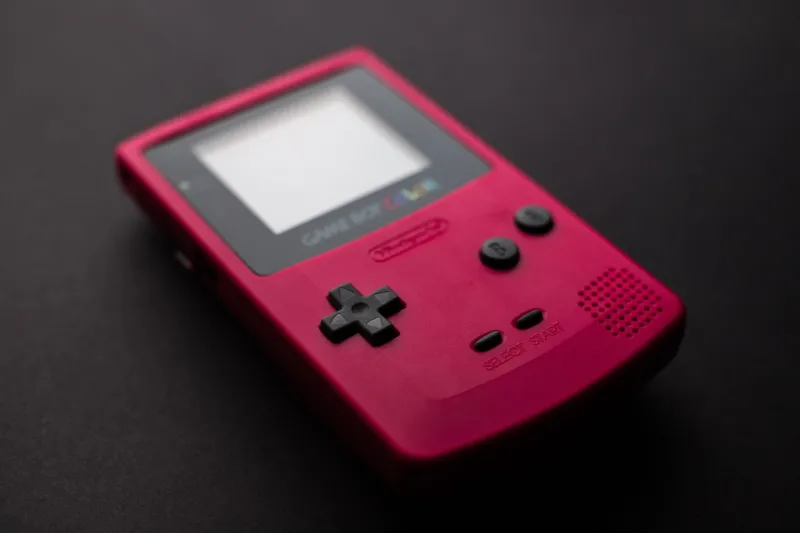
Game Boy cartridges used a different, simpler contact system, but they faced their own enemies: oxidation, dust, and the general grime that accumulates when something gets handled by kids for years on end.
So what did blowing actually accomplish? According to electronics repair technicians who work on vintage hardware regularly, the short answer is: not much on its own — and sometimes actively worse things.
"Moisture is one of the biggest long-term enemies of cartridge contacts," says one repair specialist who runs a vintage console restoration shop in the Pacific Northwest and asked to remain anonymous because, as they put it, "I don't want to be the guy who ruins everybody's childhood memory." "When you blow into a cartridge, you're introducing warm, humid air directly onto the contacts. In the short term, that moisture can actually improve conductivity slightly — which is probably why it seemed to work. But over months and years, you're accelerating oxidation."
In other words, blowing might have provided a tiny, momentary boost in conductivity while simultaneously setting up the contacts for faster long-term degradation. It's the video game equivalent of putting a Band-Aid on a problem while making it quietly worse underneath.
So Why Did It Work? The Real Mechanics
Here's where it gets genuinely interesting. The blowing itself was probably never the key ingredient. What was almost certainly doing the heavy lifting was everything around the blowing.
When you pulled a cartridge out and reinserted it, you were physically wiping the contacts against the connector pins, which could dislodge loose debris and slightly reposition a marginally bad connection. When you blew into the cartridge slot (as opposed to the cartridge itself), you were clearing out dust that might be preventing proper seating. And critically — when you reinserted the cartridge after all that ritual, you were just... trying again. Sometimes the game loaded on the second try anyway, with or without the breath ceremony.
Several repair techs and hobbyists have documented this in informal testing over the years: cartridges that "needed blowing" would often load fine after simply being removed and reinserted without any breath involved. The blowing was a psychological anchor, a consistent step in a process that happened to end with the game working.
"It's a classic case of correlation being mistaken for causation," notes one member of the r/consolerepair community who has been restoring NES hardware for over a decade. "Kids found a pattern that seemed reliable — pull out, blow, reinsert — and the brain locked onto the blowing as the cause. But the reinsertion was doing most of the work."
The Placebo Effect Is Real, and It Matters
Let's be fair to the ritual, though. Even if blowing was never the true fix, there's a real argument that the belief in the technique shaped how people interacted with their hardware in ways that were genuinely helpful.
The blowing ritual forced you to slow down. You removed the cartridge deliberately. You inspected it, at least briefly. You reseated it carefully. That entire sequence of attentive, deliberate handling was probably better for the hardware than frantically ramming the cartridge in and out while the console was still powered on — which is absolutely something kids did.
So in a weird, roundabout way, the myth may have been protective. Not because of the breath, but because of the mindfulness it accidentally encouraged.
What You Should Actually Do Instead
If you're dealing with a finicky cartridge in 2024, there are far better solutions than lung power.
For light oxidation on cartridge contacts, a cotton swab barely dampened with 90% or higher isopropyl alcohol works exceptionally well. Gently wipe the contacts, let them dry completely — and we mean completely, at least a few minutes — before reinserting. The high alcohol concentration evaporates quickly and leaves minimal residue.
For NES consoles specifically, the 72-pin connector is almost always the real culprit. Replacement connectors are cheap and widely available, and swapping one out is a beginner-friendly repair that will do more for your NES's reliability than any amount of blowing ever could. Some collectors also carefully bend the existing pins back to restore tension, though this requires patience and a steady hand.
For Game Boy cartridges, the same isopropyl-and-swab method applies. If contacts look heavily corroded, a pencil eraser can gently buff away oxidation before the alcohol cleanup — just make sure to wipe away all the eraser debris afterward.
The Ritual Lives On (And That's Okay)
Here's the thing: even armed with all this knowledge, a lot of us are still going to blow into a cartridge when one acts up. And honestly? That's fine. The ritual is woven into the fabric of what retro gaming feels like. It's a tactile memory, a shared cultural shorthand that immediately communicates "I grew up with this stuff."
Just maybe don't do it to a cartridge you just paid two hundred dollars for at a convention. For those, reach for the isopropyl.
The science says the blowing never really worked. But the memory of it working? That's stored somewhere even more reliable than a 30-year-old ROM chip — and no amount of oxidation is going to corrupt it.